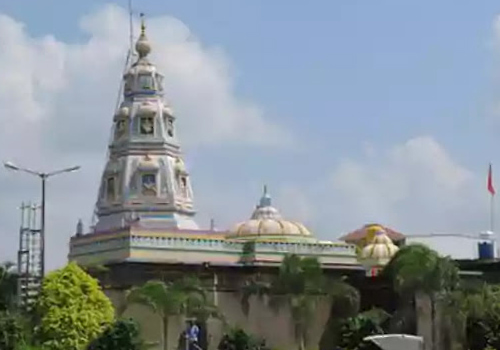
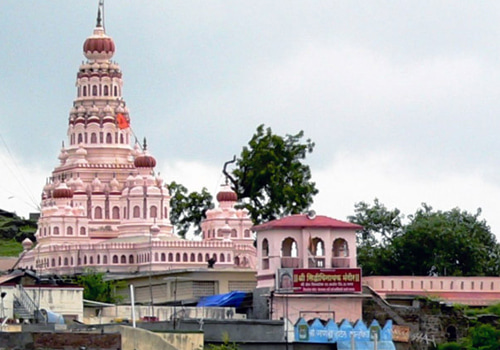
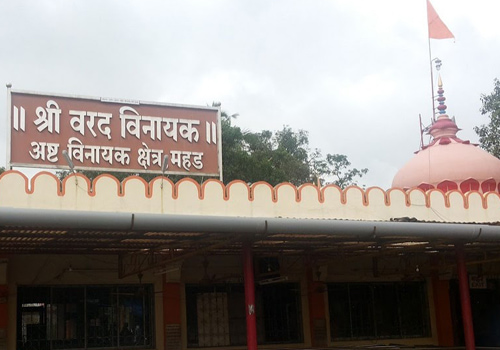
Ashtavinayaka means Eight Ganeshas (Ashta means Eight & Vinayaka means Lord Ganesha). Ashtavinayaka is located in the Maharashtra state of India, it is nothing but eight different located Ganesha temples. The Ashtavinayaka yatra or tour covers the eight holy temples of Ganesha. All the Eight Ashtavinayak Temples are Swayambhu (self-originated) and Jagrut. There are various names of Lord Ganesha for various places such as Morgaon’s Moreshwar, Ranjangaon’s Mahaganpati, Theur’s Chintamani, Lenyadri’s Girijatmak, Ojhar’s Vighneshwar, Siddhatek’s Siddhivinayak, Pali’s Ballaleshwar and Mahad’s Varad Vinayak. Before telling to more about Ashtavinayak, we would love to tell you that Deccan Tourism offers Ashtavinayak Tour with two different packages & Deccan Tourism is now an approved tour operator, approved by the ministry of tourism, GOI.
1. Mayureshwar Temple, Morgaon :
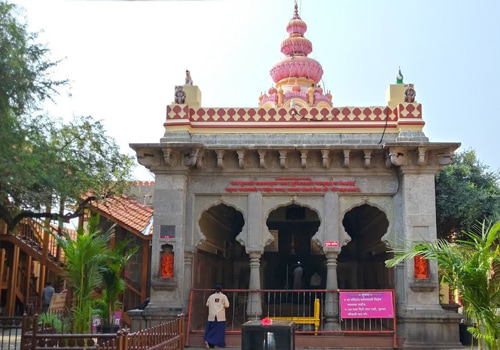
This is a very important temple in this pilgrimage. The temple, constructed from black-stone in the course of the Bahamani reign, has 4 gates. The temple is located at the center of the village. The temple is covered from all aspectsthrough4 minarets and offers the influence of a mosque if visible from a distance. This turned intoexecution to save youassaultsat the temple in the course of the Mughal periods. The temple has a 50-foot tall wall around it.
There is a Nandi sitting in the front of this temple entrance, which is unique, as Nandi is typically in the front of only Shiva’s temples. However, the tale says that this statue turned into being carried to a few Shivamandir in the course of which the vehicle carrying it broke down and the Nandi statue couldn’t be eliminated from its place. The murti of Lord Ganesha, riding a peacock, in theshape of Mayureshwara is assumed to have slain the demon Sindhu at this spot. The idol, with its trunk became to the left, has a cobra poised over it shielding it. This shape of Ganesha additionally has 2different murtis of Siddhi and Riddhi.
2. Mahaganapati Temple, Ranjangaon :
Shiva is believed to have worshipped Ganesha earlier thancombating the demon Tripurasura here. The temple becomeconstructedthrough Shiva wherein he worshipped Ganesha, and the town he set up was called as Manipur that is now referred to as Ranjangaon.
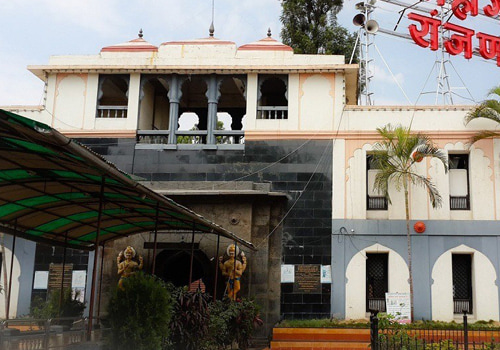
Ranjangaon Ganpati is one of the Ashtavinayak, celebrating 8times of legends associated with Ganesha. This Temple Ganpati Idol become inaugurated and donated through “Khollam” familyone of the Gold Smith family in Ranjangaon. According to the records the temple becomeconstructed in amongninth and tenth centuries.
The idol faces the east, and is seated in a cross-legged role with a wide forehead, with its trunk pointing to the left. It is stated that the unique idol is hidden in the basement, having 10 trunks and 20 palms and is known as Mahotkat, however, the temple government denies the existence of this sort of idol.
3. Chintamani Temple, Theur :
Ganesha is believed to have got back the valuable Chintamani jewel from the grasping Guna for sage Kapila at this spot. However, after bringing again the jewel, sage Kapila placed it in Vinayaka’s (Ganesha’s) neck. Thus the name Chintamani Vinayak. This occurredbeneath neath the Kadamb tree, consequently Theur is called Kadambanagar in vintage times.
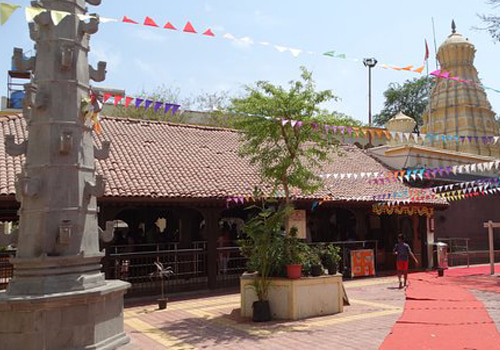
The lake at the back of the temple is referred to as Kadambteertha. The temple front is North facing. The outer woodcorridorbecomeconstructedwith the aid of using Peshwas. The main temple is meant to have beenconstructedwith the aid of using Dharanidhar Maharaj Dev from the family-lineage of Shri Moraya Gosavi. He should have constructed this roundone hundred years earlier than Senior Shrimant Madhavrao Peshwa constructed the outer woodcorridor. This idol also has a left trunk, with carbuncle and diamonds as its eyes. The idol faces east.
4. Girijatmaj Temple, Lenyadri :
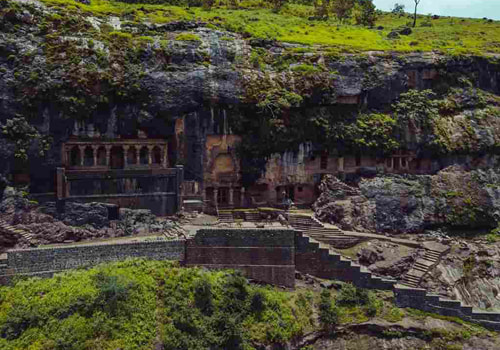
It is thought that Parvati (Shiva’s wife) completed penance to beget Ganesha at this point. Girija’s (Parvati’s) Atmaj (son) is Girijatmaj. This temple stands amidst a cave complex of 18 caves of Buddhist origin. This temple is the 8th cave. These are referred to as Ganesh-leni as well. The temple is carved out of a single stone hill, which has near about 307 steps. The temple functions an extensivecorridorand not using ahelping pillars.
The idol faces north with its trunk to the left, and must be worshipped from the rear of the temple. The temple faces south. This idol appears little different from the rest of the Ashtavinayak idols in a feel that it seems to be poorly designed or carved just like theother idols.
5. Vighneshwar Temple, Ojhar :
The records encompassing this idol states that Vighnasur, a demon was created with the aid of using the King of Gods, Indra to spoil the prayer preparedwith the aid of using King Abhinandan. However, the demon went a step further and destroyed all vedic, spiritual acts and to reply the people’s prayers for protection, Ganesh defeated him. The taleis going on to mention that on being conquered, the demon begged and pleaded with Ganesha to show a mercy. Ganesha then granted in his plea, howeverat thecondition that demon ought tonow no longervisit the locationin which Ganesha worshipping goes on. In return the demon requested a favour that his nameshould be taken earlier than Ganesha’s name, accordingly the name of Ganesha have become Vighnahar or Vighneshwar. The Ganesha right here is known as Shri Vighneshwar Vinayak.
The temple faces east and is surrounded with the aid of using a thick stone wall. This idol, facing the east, has its trunk towards the left and rubies in its eyes. There is a diamond at thebrow and a few jewel in the navel. Idols of Riddhi and Siddhi are positioned on the 2aspects of the Ganesha idol. The temple pinnacle is Golden and is probablyconstructedwith the aid of using Chimaji Appa after defeating the Portuguese rulers of Vasai and Sashti. The temple might beconstructedround 1785CE.
6. Siddhivinayak Temple, Siddhatek :
God Vishnu is meant to have vanquished the asuras Madhu and Kaitabh after propitiating Ganesha here. This is the only murti of those8 with the trunk positioned to the right. It is believed that the 2 saints Shri Morya Gosavi and Shri Narayan Maharaj of Kedgaon obtained their enlightenment here.
The temple is North-going through and is on a small hillock. The mainroadtowards the temple was believed to be constructedvia way of means of Peshwa’s general Haripant Phadake. The internal sanctum, 15 fthigh and 10 ftwide is constructedvia way of means of Punyashloka Ahilyabai Holkar. The idol is 3 feet tall and 2.5 feet wide. The idol faces North-direction. The belly of the murti is notwide, however Riddhi and Siddhi murtis are sitting on one thigh. This murti’s trunk is popping to the right. The right-sided-trunk Ganesha is meant to be very strict for the devotees. To make one spherical (pradakshina) across the temple one has to make the sphericaltrip of the hillock.
7. Ballaleshwar Temple, Pali :
Ganesha is believed to have saved this boy-devotee, Ballala, who becomecrushedwith the aid of usingnearby villagers and his father (Kalyani-seth) for his single-minded devotion to him. The originalwooden temple become reconstructed right into a stone temple with the aid of using Nana Phadanavis in 1760. There are small lakes built onfacets of the temple. One of them is reserved for the puja (worship) of the Deity.
This Temple faces the east and has sanctums. The internal one homes the murti and has a Mushika (Ganesha’s mouse vahana) with modaka in his forepaws in the front of it. The hall, supported with the aid of using8 exquisitely carved pillars needs as a good dealinterestbecause the idol, sitting on throne carved like a cypress tree. The 8 pillars depict the 8 directions. Inner sanctum is 15 ft tall and outer one is 12 ft tall. The temple is built in any suchmannerthat when the winter (dakshinayan : southward motion of the solar) solstice, the solar rays fall at the Ganesha murti at sunrise. The temple is constructed with stones which might becaughtcollectively very tight the use of melted lead.
8. Varad Vinayak Temple, Mahad :
The good-looking Prince Rukmangad refused sage Vachaknavi’s spouse Mukunda’s illicit call, and was cursed to be afflicted by leprosy. Mukunda washappythrough Indra who deceived her as Rukmangad and she bore a infantbyname Grutsamad. When Grutsamad discovered the truth, he cursed his mom Mukunda to grow to be the tree of Bori and she in flip cursed him to bear a demon son named Tripurasur, the only who was defeated through Shiva after praying the Ranjangaon Ganesha. Grutsamad after being cursed went to the forest of Pushpak and worshipped Ganesha. Sage Grutsamad is well-known for the chant GaNanaN Tva. He founded the temple and known as this Ganesha: Varada-Vinayak.
Ganesha is stated to liveright herein theshape of Varada Vinayaka, the giver of bounty and success. The idol wasfoundin theadjacent lake (to Mr. Dhondu Paudkar in 1690AD), in an immersed function and subsequently its weathered look. In 1725AD the then Kalyan subhedar, Mr. Ramji Mahadev Biwalkar constructed the Varadavinayak temple and the village of Mahad.
So these are the Ashtavinayakas. We hope you got some interest to visit Ashtavinayaks. Deccan Tourism offers attractive packages on Ashtavinayaka Tour, so you can book your tour now.