
The Spiritual Significance of Maharashtra's 3 Jyotirlingas : History, Legends and Divine Heritage
Three Sacred Temples That Tell the Story of India’s Spiritual Heritage
India’s spiritual heritage is built on centuries of devotion, mythology, architecture and traditions. Across the country, ancient temples continue to preserve stories that connect generations with their cultural roots. Among these sacred destinations, the twelve Jyotirlingas of Lord Shiva hold a special place in Hindu tradition. Maharashtra is home to three of these revered shrines – Trimbakeshwar, Bhimashankar and Grishneshwar. Although all three temples are dedicated to Lord Shiva, each has a distinctive story, spiritual identity and historical significance. Understanding these stories makes a pilgrimage to the 3 Jyotirlingas in Maharashtra even more meaningful.
What Is the Meaning of Jyotirlinga?
The term Jyotirlinga comes from the Sanskrit words Jyoti and Linga. Jyoti means light, while Linga represents the divine manifestation of Lord Shiva. According to Hindu mythology, Lord Shiva appeared as an infinite pillar of light, symbolising his eternal and limitless nature. The twelve Jyotirlingas are traditionally regarded as sacred places where this divine presence is worshipped. A pilgrimage to these shrines is considered an important spiritual experience for devotees.
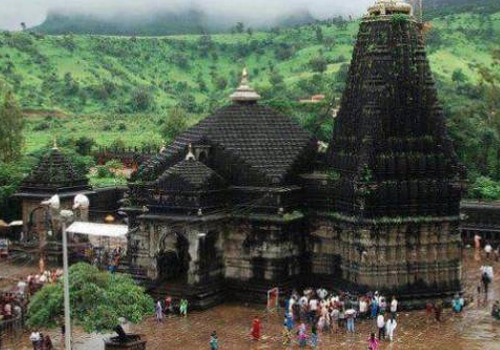
1. Trimbakeshwar Jyotirlinga – The Divine Connection of the Trinity
Trimbakeshwar, located near Nashik in Maharashtra, is one of the most distinctive Jyotirlinga temples in India.
Its spiritual significance is closely connected with the sacred Godavari River and the Brahmagiri Hills.
The Unique Identity of Trimbakeshwar
The most remarkable feature of this temple is its sacred three-faced representation, traditionally associated with Brahma, Vishnu and Mahesh.
This makes Trimbakeshwar particularly important for devotees interested in the concept of the Hindu Trinity.
The temple is also connected with the legend of Sage Gautama and the manifestation of the Godavari River through the grace of Lord Shiva.
Architectural and Cultural Importance
Built primarily in black stone, the temple reflects the traditional architectural heritage of Maharashtra.
Its detailed carvings, distinctive structure and sacred surroundings make it an important religious and historical destination.
The nearby Kushavarta Kund is traditionally associated with the Godavari and holds considerable religious importance.
Spiritual takeaway: Trimbakeshwar represents divine unity, sacred traditions and the eternal connection between Lord Shiva and the holy Godavari.

2. Bhimashankar Jyotirlinga – The Legend of Lord Shiva's Victory
Located in the Sahyadri ranges of Pune district, Bhimashankar is another important Jyotirlinga in Maharashtra.
The temple is associated with a popular legend involving Lord Shiva and the demon Bhima.
The Mythological Story Behind Bhimashankar
According to a traditional legend, Bhima was a powerful demon who troubled devotees and created obstacles in their spiritual lives.
When Lord Shiva confronted him, a great battle followed. After defeating the demon, Lord Shiva is believed to have manifested himself at this location as a Jyotirlinga.
The temple became known as Bhimashankar, preserving the legend for generations of devotees.
A Temple Surrounded by Nature
Bhimashankar is particularly fascinating because of its location in the Western Ghats.
The temple’s traditional stone architecture and peaceful natural surroundings create a distinctive pilgrimage experience.
The nearby Bhimashankar Wildlife Sanctuary is known for its rich biodiversity and the Indian Giant Squirrel.
Spiritual takeaway: Bhimashankar symbolises the victory of good over evil and the protective power of Lord Shiva.
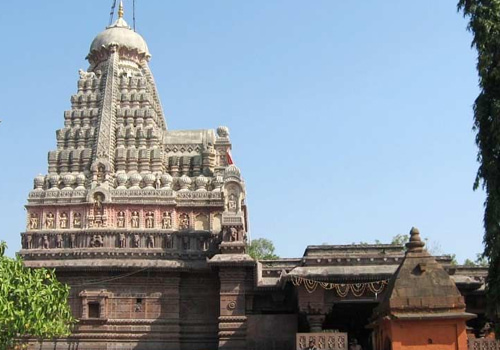
3. Grishneshwar Jyotirlinga – The Power of Unwavering Devotion
Situated at Verul near Ellora in Chhatrapati Sambhajinagar district, Grishneshwar is traditionally recognised as the twelfth Jyotirlinga.
Its spiritual identity is closely connected with the story of a devoted woman named Ghushma.
The Story of Ghushma’s Devotion
According to the popular legend, Ghushma was a deeply devoted follower of Lord Shiva.
Despite facing difficult circumstances and personal tragedy, she continued her worship with unwavering faith.
Moved by her devotion, Lord Shiva is believed to have manifested at the location and remained there as a Jyotirlinga.
The story is remembered as an example of faith, patience and complete surrender to the divine.
Architectural and Historical Importance
Grishneshwar Temple is admired for its traditional stone construction, intricate carvings and historic character.
Its location near the Ellora Caves makes it an especially important destination for visitors interested in religious and cultural heritage.
The nearby Kailasa Temple at Ellora is a remarkable example of ancient Indian rock-cut architecture.
Spiritual takeaway: Grishneshwar represents unwavering faith, devotion and the belief that sincere prayers never go unanswered.
What Makes These Three Jyotirlingas Different?
Each temple has a unique spiritual identity.
| Temple | Spiritual Association | Location |
|---|---|---|
| Trimbakeshwar | Hindu Trinity and Godavari traditions | Nashik |
| Bhimashankar | Victory of Lord Shiva over Bhima | Pune district |
| Grishneshwar | Devotion of Ghushma | Near Ellora, Chhatrapati Sambhajinagar |
These differences make visiting all three temples a fascinating experience for devotees and those interested in Indian mythology.
Why Should You Experience These Sacred Destinations?
A visit to these temples allows travellers to discover more than religious monuments.
It introduces them to:
Ancient Hindu mythology and sacred legends.
Traditional temple architecture and craftsmanship.
Maharashtra’s cultural and religious heritage.
The connection between spirituality and nature.
Stories of devotion preserved through generations.
For anyone interested in India’s spiritual history, the three Jyotirlingas offer an extraordinary journey.
Discover Maharashtra's Spiritual Heritage with Deccan Tourism
Every ancient temple has a story. Every pilgrimage has a purpose. And every journey creates an opportunity to understand India’s cultural roots more deeply.
Deccan Tourism brings travellers closer to Maharashtra’s important religious and heritage destinations through thoughtfully planned travel experiences.
Explore the divine stories of Trimbakeshwar, experience the natural surroundings of Bhimashankar and discover the historic beauty of Grishneshwar.
Discover the stories. Experience the devotion. Explore the heritage.
Plan your Maharashtra Jyotirlinga pilgrimage with Deccan Tourism.
Har Har Mahadev!
Frequently Asked Questions (FAQs)
1. Why are the Jyotirlingas important in Hinduism?
Jyotirlingas represent the divine manifestation of Lord Shiva as an infinite pillar of light. They are among the most sacred pilgrimage destinations in Hindu tradition.
2. What is special about Trimbakeshwar Jyotirlinga?
Trimbakeshwar is unique for its sacred three-faced representation associated with Brahma, Vishnu and Mahesh. It is also closely connected with the Godavari River.
3. What is the mythology behind Bhimashankar Temple?
According to Hindu mythology, Lord Shiva manifested at Bhimashankar after defeating the demon Bhima.
4. What is the story of Grishneshwar Jyotirlinga?
Grishneshwar is associated with the legend of Ghushma, whose unwavering devotion to Lord Shiva is believed to have led to the manifestation of the Jyotirlinga.
5. Which Jyotirlinga is closest to Ellora Caves?
Grishneshwar Jyotirlinga is located at Verul, very close to the Ellora Caves in Maharashtra.
6. Can tourists visit all three Jyotirlingas in Maharashtra?
Yes. Trimbakeshwar, Bhimashankar and Grishneshwar are accessible pilgrimage destinations. Travellers can plan a combined tour covering all three temples.