
Nashik Kumbh Mela : A Spiritual Journey on the Holy Banks of River Godavari
Nashik Kumbh Mela is one of the largest and most spiritually powerful gatherings in the world. Held once every twelve years, this grand festival transforms the ancient city of Nashik into a vibrant, devotional, and culturally rich pilgrimage center. Millions of devotees, saints, yogis, foreign travelers, and spiritual seekers arrive here to participate in sacred rituals, take a holy dip in the Godavari River, and witness centuries-old traditions come alive. In this detailed guide, we explore the history, importance, rituals, major attractions, and overall experience of the Nashik Kumbh Mela.
History and Significance of Nashik Kumbh Mela
The origins of the Kumbh Mela date back thousands of years and are rooted in Hindu mythology. According to the legend, a celestial battle between gods and demons over the “Amrit Kalash” (pot of nectar) lasted for twelve days of the gods—which equals twelve human years. During this battle, drops of nectar fell at four places on earth: Nashik, Prayagraj, Ujjain, and Haridwar. These locations later became sacred sites for the Kumbh Mela.
Nashik holds special importance because it is associated with Lord Rama from the Ramayana. The Godavari River, known as the “Dakshin Ganga,” is believed to purify the soul. Therefore, bathing in the Godavari during the Kumbh Mela is considered extremely auspicious and spiritually uplifting.
The Divine Rituals and Holy Bathing (Shahi Snan)
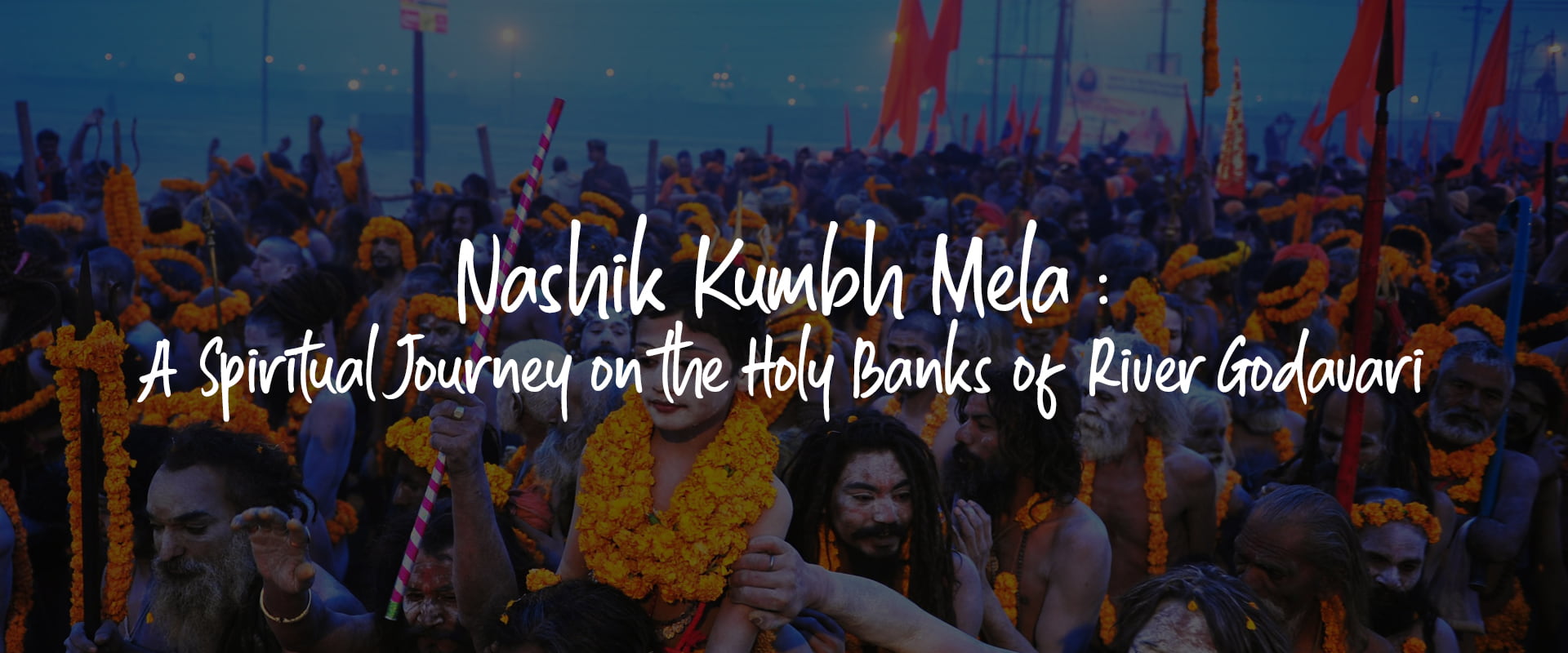
The most iconic ritual of the Nashik Kumbh Mela is the Shahi Snan, or the Royal Bath. During these special dates, millions of devotees take a dip in the river to wash away their sins and attain spiritual liberation. The holy bath is led by various Akharas (groups of saints), including the visually striking Naga Sadhus—warriors of spirituality who are known for their ascetic lifestyle.
Other rituals such as Yagyas, Satsangs, Kirtans, Pravachans, and Pujas continue throughout the mela, creating an atmosphere filled with devotion and divinity.
Cultural Experience at Nashik Kumbh Mela
The Kumbh Mela is not just a religious event—it is a massive cultural festival. The temporary city built around the Godavari becomes a space where spirituality, culture, tradition, and humanity blend seamlessly. The colorful tents, devotional music, aroma of holy incense, grand processions, and interactions with saints create an unforgettable experience.
Visitors can explore :
- Traditional Indian food stalls
- Spiritual workshops and yoga camps
- Art, craft, and souvenir markets
- Religious exhibitions and cultural performances
The entire environment offers a once-in-a-lifetime opportunity to witness the spiritual richness of India.
Places to Visit During Nashik Kumbh Mela
While attending the Kumbh, travelers can also explore some of Nashik’s iconic attractions:
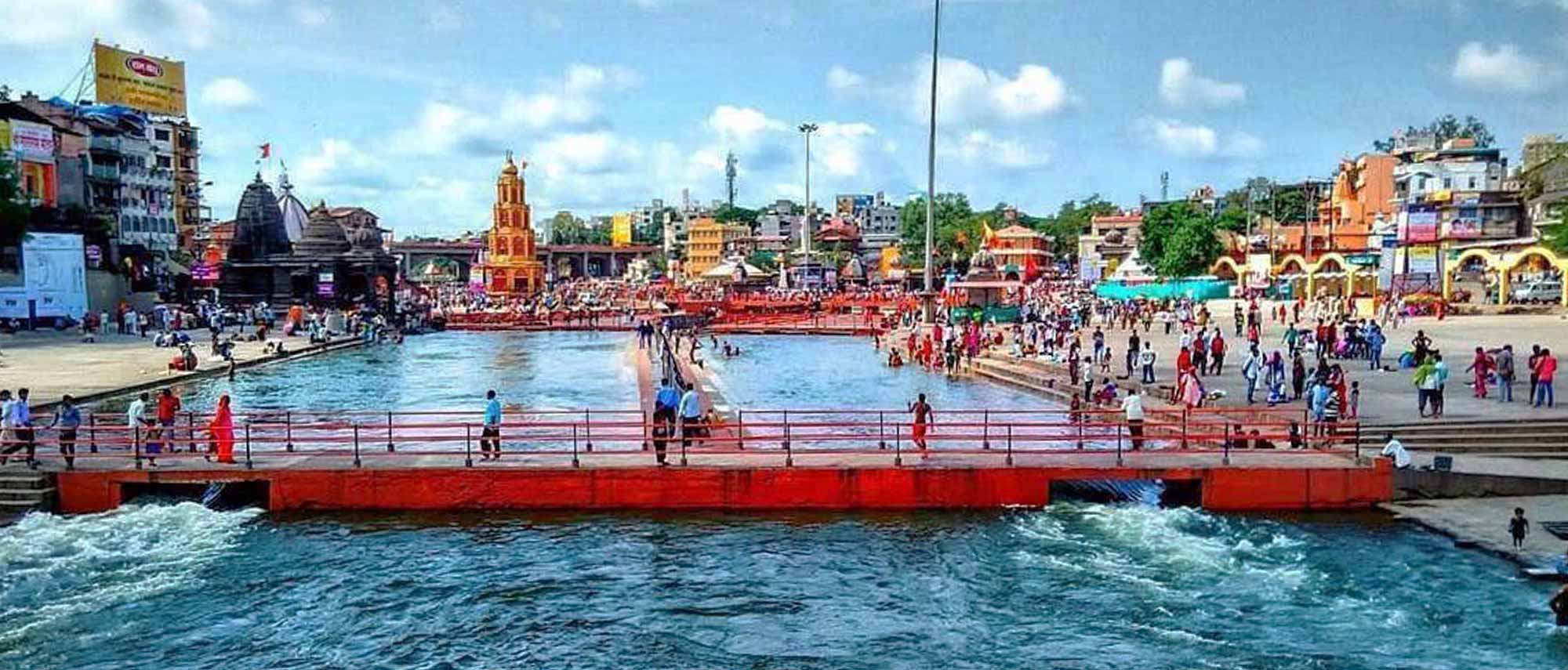
- Ramkund – The main bathing ghat of the Godavari.
- Panchavati – A sacred place associated with Lord Rama.
- Sita Gufa – A cave believed to be the place where Sita stayed during exile.
- Trimbakeshwar Temple – One of the twelve Jyotirlingas.
Nasik Vineyards – For a refreshing change after spiritual exploration.
Accommodation and Travel Tips
Nashik becomes extremely crowded during the Kumbh Mela. It’s advisable to:
- Book hotels or guesthouses months in advance
- Use government transport options for easier access
- Carry light luggage
- Stay hydrated and wear comfortable clothing
- Follow all safety instructions at the ghats
Conclusion
The Nashik Kumbh Mela is more than just an event—it is a spiritual awakening, a cultural celebration, and a profound journey into India’s ancient heritage. Whether you are a devotee seeking divine blessings or a traveler curious about India’s traditions, the Kumbh Mela offers an experience like no other. The energy, devotion, and collective faith of millions create an atmosphere that remains etched in your heart forever.